

Modern Web Design: Key Principles and Trends to Boost Business Success
- Core Principles of Modern Web Design
- Key Elements of Modern Web Design
- Mobile-First Approach to Web Design
- Accessibility in Modern Web Design
- SEO and Performance in Modern Web Design
- Technology and Tools Behind Modern Web Design
- Challenges in Modern Web Design
- The Future of Modern Web Design
Modern web design has evolved into more than just aesthetics—it's about functionality, user engagement, and optimizing the user experience (UX). With changing user behavior and technology, businesses must embrace contemporary web design practices to stay competitive. In today's digital marketplace, an outdated website can lead to high bounce rates and poor conversion rates. To prevent this, understanding and implementing modern website design ideas is crucial.
Core Principles of Modern Web Design
1. Simplicity and Minimalism
The trend of simplicity has taken over modern webpage design. Clean layouts, minimalistic elements, and intuitive interfaces create a user-friendly environment. For businesses, this means getting rid of unnecessary clutter that might distract users from essential actions.
Example: Simplified navigation menus and clear typography create a sleek and straightforward user flow.
2. Responsive Design
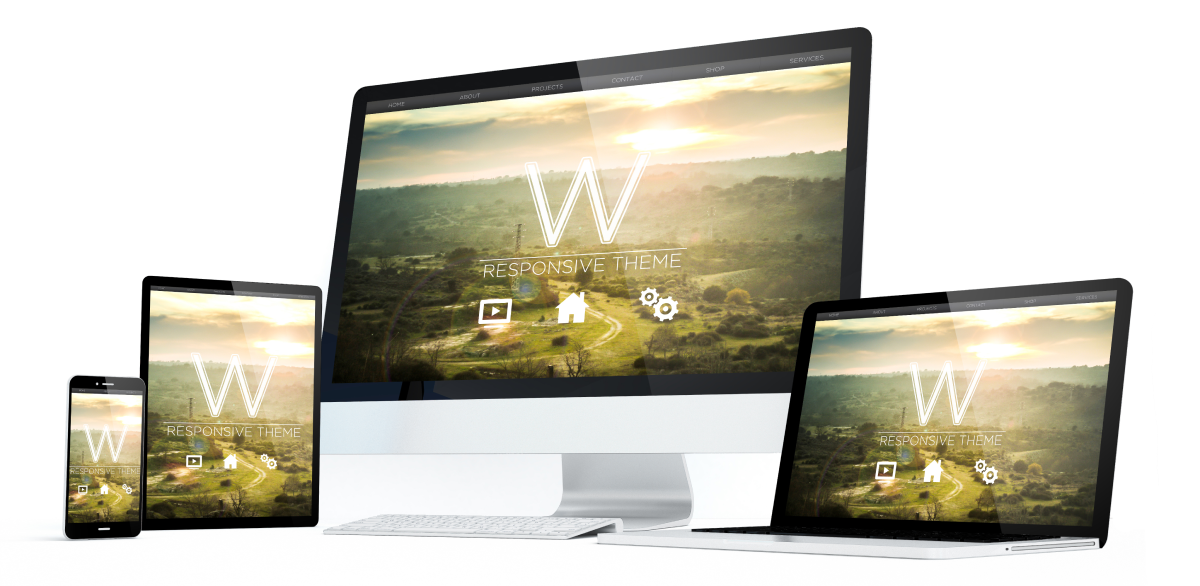
With mobile traffic surpassing desktop use, responsive design has become fundamental. Websites must adapt seamlessly to different screen sizes, providing the same high-quality experience across devices.
Example: A sleek modern website design that shifts its layout to optimize visibility on smartphones ensures a consistent experience for all users.
3. Fast Load Times
Fast load times are essential. A slow website leads to user frustration and significantly impacts SEO rankings. To keep users engaged, web designers must optimize elements like images and code.
Example: Techniques like lazy loading and optimizing image sizes improve website speed and overall performance.
Key Elements of Modern Web Design
1. Intuitive Navigation
Users expect to find information easily. Well-organized navigation ensures visitors can quickly reach their destination without confusion.
Example: Mega menus or breadcrumbs simplify navigation, helping visitors locate products or services effortlessly.
2. Strong Visuals
High-quality images, videos, and interactive elements draw users in and reflect a company’s branding.
Example: Full-screen hero images or background videos give an instant impression, grabbing the user’s attention right when they land on the site.
3. Clear CTAs
Clear call-to-action buttons (CTAs) are vital in driving conversions. Strategically placed CTAs guide users to perform actions like signing up or purchasing.
Example: Bold buttons, like “Shop Now” or “Contact Us,” placed at the top of a page (above the fold) ensure high visibility.
Mobile-First Approach to Web Design
1. Mobile Optimization
More than half of all web traffic comes from mobile devices. A mobile-first approach focuses on designing with mobile users in mind from the beginning.
Example: Mobile-friendly navigation, touch-friendly elements, and fast mobile load speeds enhance user satisfaction.
2. Google’s Mobile-First Indexing
Since Google emphasizes mobile usability in its rankings, modern web design must cater to mobile users to improve SEO performance.
Trends in Modern Web Design
1. Dark Mode
Dark mode has gained popularity, offering users an alternative viewing experience that reduces eye strain.
Example: Websites with a dark mode toggle create a sleek, customizable interface that users can switch based on preference.
2. Micro-Interactions
Small animations, like hover effects or button transitions, known as micro-interactions, can make user experiences more engaging and memorable.
Example: An animated transition when hovering over a product image adds a layer of interactivity that entices users to explore further.
3. Personalization
Today’s websites are increasingly personalized, offering tailored content based on user behavior and preferences.
Example: Personalized recommendations or dynamic content can boost engagement and conversions.
Accessibility in Modern Web Design
Ensuring a website is accessible to all users, including those with disabilities, is important ethically and influences SEO and user satisfaction.
Example: Features like screen reader compatibility and alt text for images make content accessible to everyone.
SEO and Performance in Modern Web Design
1. SEO Best Practices
Search engines reward modern webpage design that prioritizes user experience—incorporating structured data, mobile optimization, and fast load times positively impacting search rankings.
Example: Clean URLs and a logical site structure help search engines index content effectively.
2. Core Web Vitals
Google’s Core Web Vitals (LCP, FID, CLS) measure the real-world experience of users on your website. Optimizing these metrics will improve both user experience and SEO performance.
Example: Reducing layout shifts and improving server response times contribute to better scores and a better user experience.
Technology and Tools Behind Modern Web Design
1. CMS Platforms
Platforms like WordPress and Shopify are popular in modern web design, offering flexibility and ease of use for businesses.
2. Web Design Frameworks
Frameworks such as Bootstrap and Tailwind CSS simplify the process of creating responsive and trendy websites, providing pre-built elements that speed up development.
3. UX Testing Tools
Tools like Hotjar and Google Optimize allow businesses to test their website designs, gather insights, and continuously improve user experience.
Example: Heatmaps show where users click the most, while A/B testing helps compare different design strategies.
Challenges in Modern Web Design
1. Balancing Aesthetics with Performance
Designers must strike a balance between creating visually appealing designs and ensuring high performance. Lightweight coding and optimized visuals help meet both goals.
2. Cross-Browser Compatibility
Testing across browsers like Chrome, Safari, and Firefox ensures a consistent user experience regardless of where your website is accessed.
The Future of Modern Web Design
1. AI-Driven Web Design
AI is beginning to influence modern website design ideas by personalizing experiences and optimizing layouts automatically.
2. Voice Search
The rise of voice search has changed how websites are structured. Content must be optimized for spoken queries and voice-enabled devices.
Example: Structuring content for featured snippets makes it easier for voice search engines to pull information.
3. Augmented Reality (AR)
In industries like real estate and e-commerce, AR adds an immersive layer to user experiences, allowing users to visualize products in their environment.
Conclusion
Incorporating the latest trends and technologies in website design today will not only improve user experience but also boost conversions and SEO performance. Evaluate your website’s design—implement strategies like responsive design, fast load times, and personalization to ensure you stay ahead in the digital marketplace.
FAQs
1. Why is simplicity important in modern web design?
Simplicity eliminates distractions and allows users to focus on key elements, enhancing usability and increasing engagement.
2. How do micro-interactions enhance user experience?
Micro-interactions add subtle animations and feedback, making the site more interactive and enjoyable, ultimately improving user engagement.
3. What are the benefits of using dark mode in web design?
Dark mode provides a sleek, modern aesthetic while reducing eye strain and saving battery life on OLED devices.
4. How does AI impact modern web design?
AI helps automate personalization, improve performance through data-driven insights, and enhance the overall user experience with minimal manual effort.
5. What are Progressive Web Apps (PWAs) and why are they important?
PWAs combine the best of websites and apps, offering fast load times, offline capabilities, and enhanced performance, which improves user experience.
6. What tools are commonly used for modern web design?
Popular tools include CMS platforms like WordPress, design frameworks like Bootstrap, and testing tools like Hotjar for UX insights.
7. How can I ensure my website loads quickly?
Optimize images, minimize code, and implement techniques like lazy loading and caching to improve site speed.
By applying these strategies, businesses can create trendy website designs that captivate users and drive results.
What you also need to read
-
 How to build a successful eCommerce website (part 1)
Key Points to Help You Build a Successful eCommerce Website in 2022 (team)
How to build a successful eCommerce website (part 1)
Key Points to Help You Build a Successful eCommerce Website in 2022 (team) -
How to build a successful eCommerce website (part 2)
Key Points to Help You Build a Successful eCommerce Website in 2022 (project workflow)
-
Comprehensive site audit
Take your online business to the next level!



Leave your comment